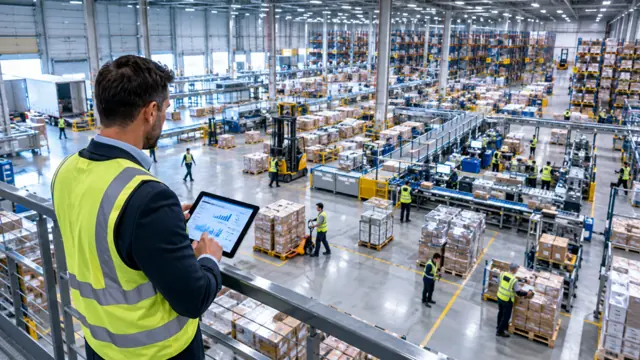

Running a modern production plant or logistics centre requires pinpoint precision. Unfortunately, even the most advanced machinery and optimised operational processes become useless when the line lacks trained staff. For many operations directors and production managers in Poland, the constant turnover of manual workers has become a silent killer of profitability.
What is more, frequent changes in the line team are not only a challenge for HR but, above all, a real threat to business continuity and to delivering contracts on time.
The real causes of turnover: why do workers leave after a few weeks?
Many employers assume that the only factor that makes a line worker leave is the hourly rate. Market practice, however, shows something quite different — especially when it comes to foreign staff.
Above all, the main reasons for quitting early in employment lie outside the job itself:
- Logistical chaos and a tiring commute: the lack of a direct public transport link to a plant in an industrial zone leads to constant fatigue and lateness.
- Accommodation problems: uncertain housing conditions, hidden fees charged by middlemen and a lack of stability in daily life cause permanent stress.
- The language barrier and a sense of isolation: without support in everyday official and practical matters, workers feel insecure and look for other jobs.
The invisible cost of constantly replacing staff
Of course, every new worker on the shop floor needs time to adapt. Consequently, when turnover reaches dozens of per cent a month, the plant slips into a chronic operational crisis:
- Lower overall line efficiency: new people work more slowly, which slows down the whole process and delays shipments.
- More defects and complaints: a lack of routine and product knowledge sharply increases the risk of quality errors.
- Frustrated supervisors: foremen and shift leaders become permanent trainers instead of focusing on process optimisation and quality control.
The Alimat Group solution: welfare facilities as a shield for your plant
That is exactly why at Alimat Group we are moving away from the outdated model of “supplying hands to work”. We build a stable ecosystem in which the worker feels completely secure and the employer gets a guarantee of continuous production.
We solve problems at the source through these key pillars:
- Comfortable accommodation (PLN 600 a month): we provide checked accommodation at a fixed, very attractive price. Workers do not have to hunt for a room or worry about market price rises.
- Free, dedicated transport: we organise and pay for workers’ transport right to the plant gate. This guarantees 100% punctuality, eliminates lateness and takes the burden of logistics off the worker.
- A dedicated bilingual coordinator: our representative ensures smooth onboarding, helps with everyday matters and acts as a communication bridge between the plant and the team.
- 100% legal compliance and legal security: we take full responsibility for formal and legal matters (compliance with the National Labour Inspectorate PIP, ZUS, work permits and residence cards), protecting your business from legal risk.
Stability that shows in your financial results
Decent living conditions and reliable transport are not just a gesture of social responsibility — they are a hard business calculation. A worker who has a safe home, free transport to work and a clear legal situation does not look for alternatives. They stay at the plant for a long time, becoming more productive month after month and a valuable link in your team.
With this approach, our business partners gain predictable operating costs, reduce overtime costs caused by covering absences, and can scale up production without obstacles.
This analysis covers only some of the challenges facing today’s manufacturing and logistics sector in Poland.
Stay up to date with the Polish labour market!
We encourage you to visit the Alimat Group blog regularly, where we:
- Share practical know-how on managing foreign staff.
- Analyse the latest changes in labour law and legalisation procedures in 2026.
- Suggest how to optimise outsourcing processes in your company effectively.
Do not miss important industry updates — build a stable business with the experts at Alimat Group.